
Milan ~ Ancient Roots, Modern Rhythm
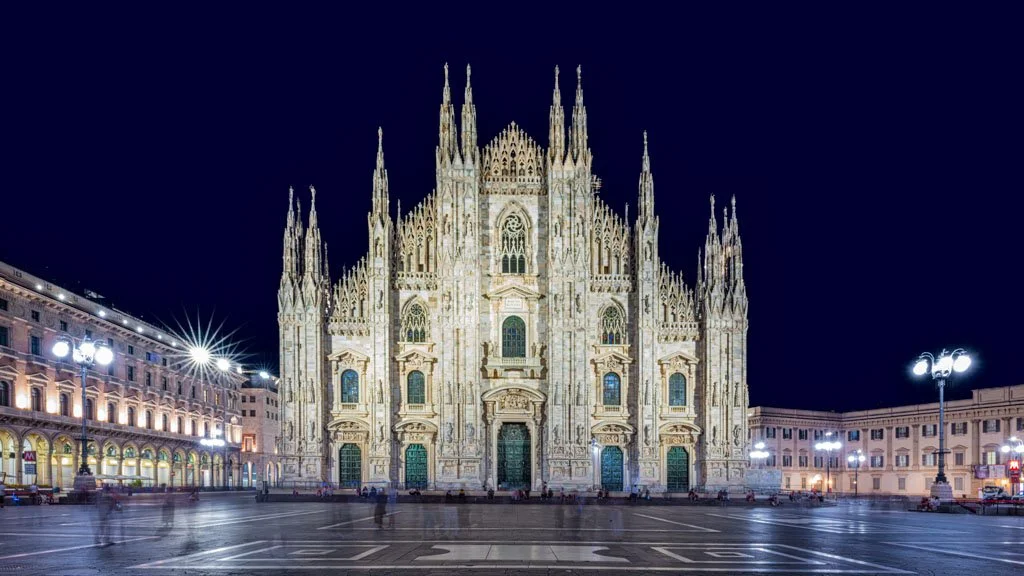
Milan is a place where the classic and the contemporary exist side by side. Walking through the old part of the city, you move between centuries without even noticing. I had been curious about this Italian city for a long time, and watching the Winter Olympics this past February, with Milan as the backdrop, only added to that intrigue. What I did not expect was how often Milan would surprise me, and how the moments I had not planned for would turn out to be the ones I remembered most.
My first full day I gave myself no structure and just wandered. I knew the places I wanted to visit and I started at the Duomo, which is even larger and more intricate up close than any photo suggests. From there I drifted through the Galleria Vittorio Emanuele II as the designer shops were just opening, browsed the windows of stores well beyond a teacher and photographer's budget, and eventually made my way to Sforza Castle. Built in the 15th century, this castle feels genuinely preserved rather than restored. Inside, the museum is cool and quiet, and the artwork moves through painting and sculpture in a way that gives you a real sense of the grandeur of this city's influence on the Renaissance. I had not planned to linger as long as I did, but walking room to room, imagining the life that moved through those spaces centuries ago, I lost track of time. By the end of the day I had walked over 30,000 steps and although my feet were tired, I had no regrets.
That night the World Cup was on playing in my hometown of Seattle, so I looked online and found an Italian sports bar, ordered some Milanese food, and settled in. The bar was a mix of Italians, Americans, and a handful of Australians cheering on their own team. The United States won the match 2 to 0. Watching the World Cup in a room full of Italians, Americans and Australians made me pause and think about the global stage of this event.
The second day brought one of the most famous artworks I was dying to see, Leonardo da Vinci's The Last Supper. I had been looking at reproductions of this painting since grade school, in history class, in art class, in religion class. It depicts Jesus and his apostles at their final meal together, the moment he tells them one of them will betray him. Seeing this masterful work in person is a different experience entirely. It is painted directly on the wall of the Dominican dining hall, and they only allow a small number of visitors inside at a time for a 15 minute viewing. That quiet, the limited crowd, the scale of it on the actual wall where it was painted, stopped me in a way I was not fully prepared for. You can read my blog about My 15 Minutes with a Master.
That afternoon I spent time at the Milan Duomo, the largest church in Italy. It started with a hike up 346 steps to the rooftop. The views across the city are worth it, but honestly what held my attention longer were the statues and spires up close, the craftsmanship that most people never see from the street below. And then inside, there is a stillness that great cathedrals seem to carry. The stained glass casts color across the stone walls and the scale of the space stops you the moment you walk in. People move slowly. Some light candles. Some just sit. There is something about that gathering of quiet intention, people arriving from all over the world and instinctively lowering their voices, that I always find moving.
That evening I had a ticket to the famous Teatro alla Scala for a production of Carmen. I purchased the last seat in the first box far stage right with limited sight-lines, as I was only able to see about half the stage. When I was unable to see the action, this seat also gave me a wonderful full side view of the orchestra and conductor. Maestro Myung-Whun Chung is the newly appointed music director of the Teatro alla Scala and he conducted with an animated face and his entire body and was remarkable to watch. There were times watching his conducting added to the expressiveness of the drama on stage. Sometimes the thing you did not plan for turns out to be the highlight.
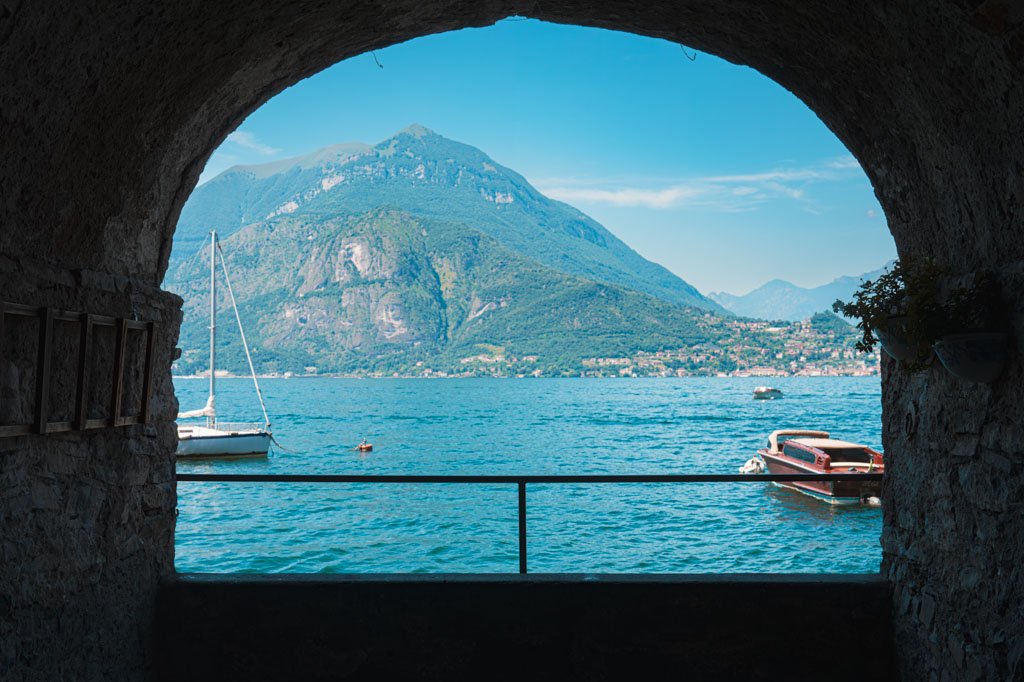
My final day in Milan was on a Sunday, and with many local non-tourist shops closed I decided to take a day trip to Lake Como. I started in Varenna, a hillside town that rewards slow walking. Staircases leading to new views, colorful buildings, a breeze off the water that made the heat manageable. I took a ferry across to Bellagio, which was busy with tourists, so I wandered away from the main paths until I found a small restaurant with a terrace looking out over the lake. I sat down, ordered a salad and a lemonade, and did not move for a couple of hours. I watched the water, wrote in my journal, and let the afternoon pass slowly. After several full and busy days, I had not realized how much I needed to just stop and breathe. That little table with that view gave me exactly that. The train ride back to Milan was packed and I stood the entire way. My feet were sore but my head was clear, which felt like a fair trade.
Milan is an impressive city. But what I will carry with me most is not the famous landmarks, as remarkable as they are. It is the conductor I was not supposed to be watching, the cafe table I stumbled onto in Bellagio, the way the city kept handing me something I had not thought to look for. The Italians seem to understand something about this. Everyone walks, from children to the elderly, and meals stretch long into the evening with unhurried conversation. They know how to be present in their own lives. Spending time there is a good reminder that the best moments of a trip, like the best moments of any day, are often the ones you never saw coming.